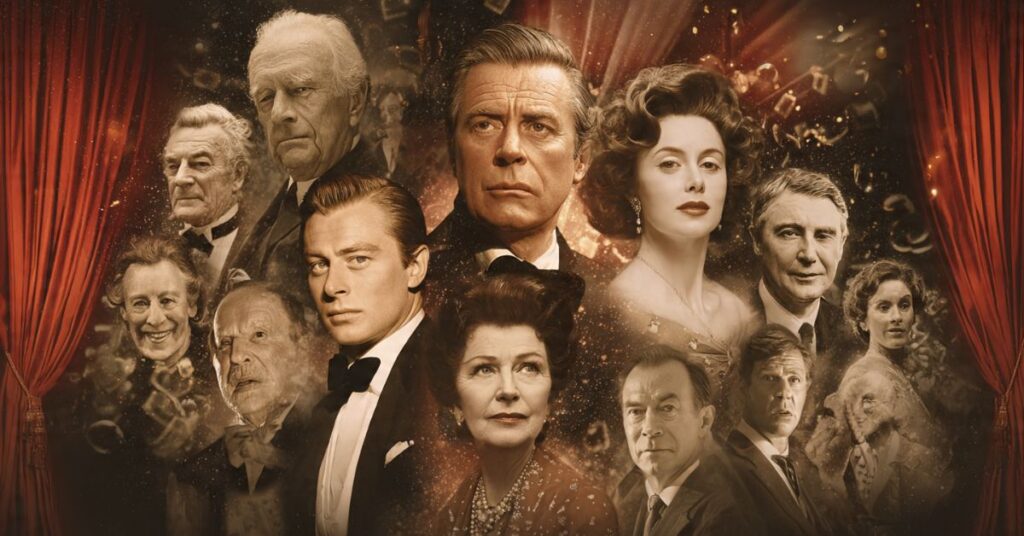
The United Kingdom has always been a powerhouse of talent, shaping the global stage with performers who bring depth, elegance, and innovation to the art of acting. From Shakespearean theaters to Hollywood blockbusters, British actors have consistently left an indelible mark, combining classical training with fearless creativity. But what sets the greatest among them apart isn’t just their fame or awards—it’s the influence they’ve wielded, the cultural reflections they’ve embodied, and the legacies they’ve carved for future generations.
Below, we celebrate ten of the most famous British actors of all time, analyzing what made them unique, how they defined their era, and why they continue to matter today.
1. Laurence Olivier
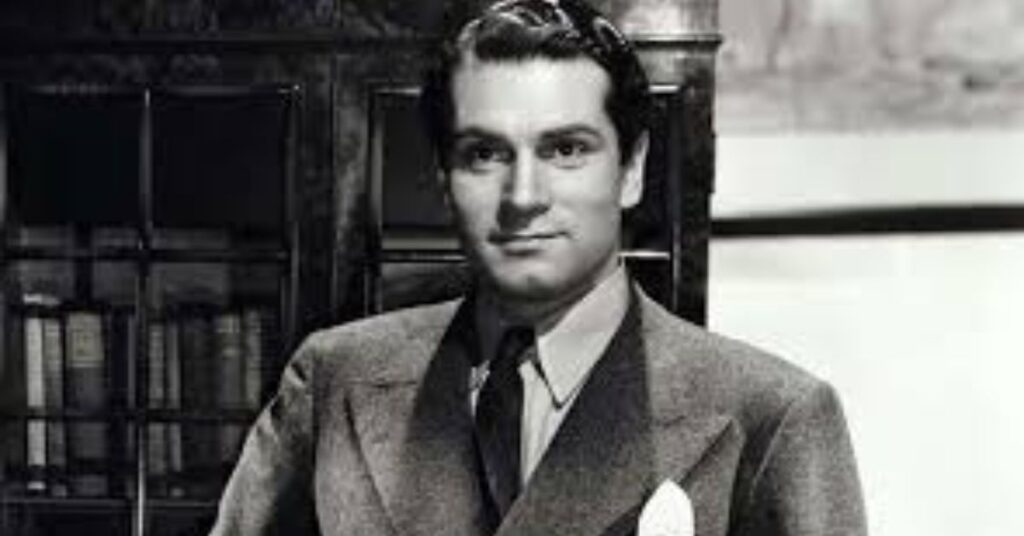
Influence & Uniqueness: Widely considered the greatest Shakespearean actor of the 20th century, Olivier redefined how Shakespeare could be performed both on stage and screen. His commanding presence and ability to modernize classical texts distinguished him from peers.
Cultural Context: At a time when Britain was recovering from war and redefining its identity, Olivier’s performances brought national pride. His adaptations of Hamlet and Henry V served almost as cultural touchstones of resilience.
Enduring Legacy: Today, Olivier represents the benchmark of theatrical excellence. The Laurence Olivier Awards—Britain’s top theater honors—ensure his name remains synonymous with greatness.
2. Alec Guinness

Influence & Uniqueness: A master of transformation, Guinness excelled at disappearing into roles, from The Bridge on the River Kwai to Kind Hearts and Coronets (where he played eight characters).
Cultural Context: In the post-war era, his versatility mirrored Britain’s evolving cinematic identity—balancing humor, gravitas, and experimentation.
Enduring Legacy: While new generations may first encounter him as Obi-Wan Kenobi in Star Wars, Guinness’s body of work teaches actors the power of subtlety and adaptability.
3. Richard Burton

Influence & Uniqueness: Burton was defined by his fiery Welsh passion and thunderous voice, which gave his Shakespearean roles and Hollywood appearances unmatched intensity.
Cultural Context: Rising in the 1960s, Burton embodied the era’s blend of glamour and volatility. His high-profile romance with Elizabeth Taylor symbolized both the allure and excess of celebrity culture.
Enduring Legacy: Burton’s raw emotional intensity still resonates in an industry that often prizes polish. He proved that vulnerability and power could coexist in a single performance.
4. Peter O’Toole

Influence & Uniqueness: O’Toole’s breakthrough in Lawrence of Arabia showcased a mesmerizing charisma—he turned a historical epic into a deeply personal exploration of identity and ambition.
Cultural Context: In the 1960s, British cinema was expanding beyond tradition, and O’Toole embodied this global ambition. His performances reflected the questioning, rebellious spirit of the time.
Enduring Legacy: O’Toole’s work continues to inspire actors to take risks, to stretch roles into something unexpected, bold, and unforgettable.
5. Maggie Smith
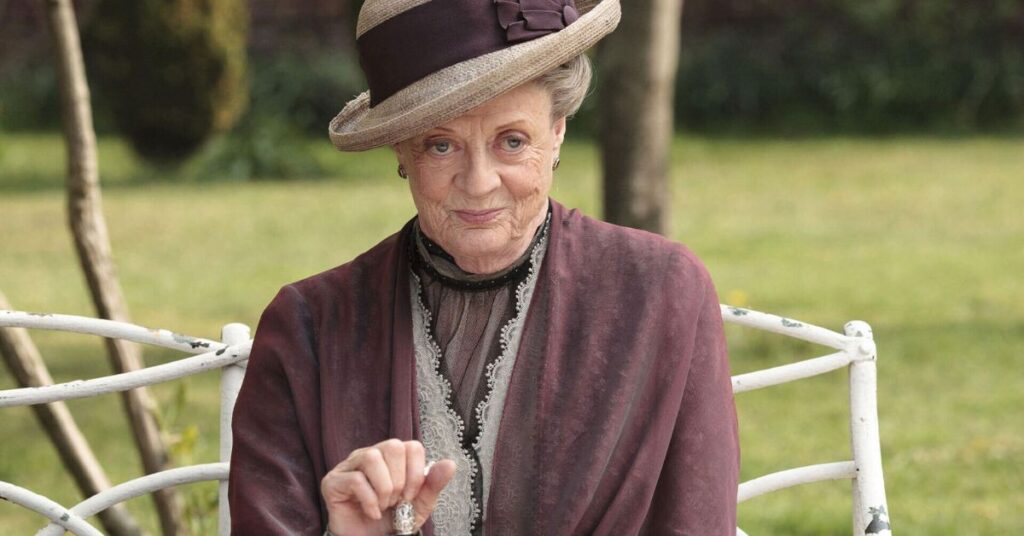
Influence & Uniqueness: Known for her sharp wit and flawless timing, Smith balances classical stage mastery with modern film charm. From The Prime of Miss Jean Brodie to Downton Abbey and Harry Potter, she reinvents herself across generations.
Cultural Context: Her career bridges eras—emerging during Britain’s “kitchen sink” realism period and adapting seamlessly into the 21st-century blockbuster culture.
Enduring Legacy: Smith proves longevity is rooted in reinvention. She remains an inspiration to female actors navigating an industry often unkind to aging talent.
6. Michael Caine
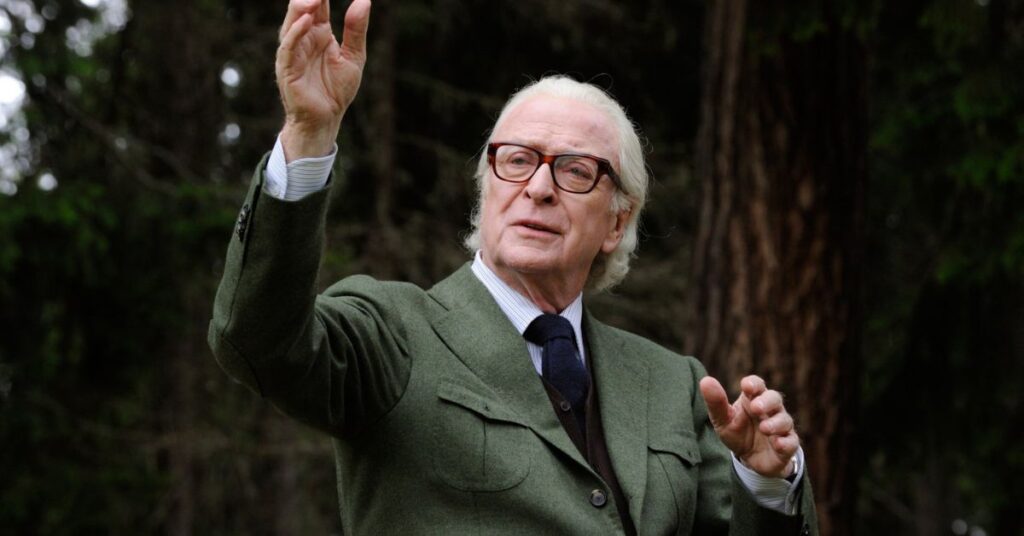
Influence & Uniqueness: With his unmistakable Cockney accent and working-class authenticity, Caine broke away from the elitist mold of British actors. He made “everyman” roles heroic and memorable.
Cultural Context: His rise in the 1960s coincided with Britain’s cultural revolution—the “Swinging Sixties”—when class barriers were being challenged in art and society.
Enduring Legacy: Caine opened the door for actors from diverse backgrounds. His iconic roles continue to show that relatability and authenticity can be as compelling as grandeur.
7. Anthony Hopkins
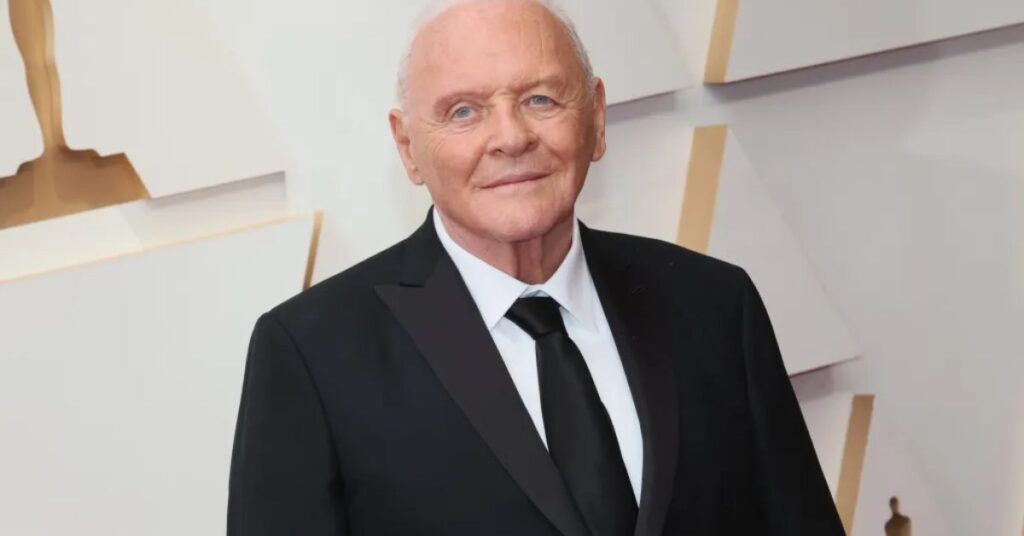
Influence & Uniqueness: Hopkins’s chilling portrayal of Hannibal Lecter in The Silence of the Lambs remains one of cinema’s most iconic performances. His methodical yet unpredictable style distinguishes him as a master of psychological depth.
Cultural Context: In the late 20th century, audiences were captivated by complex anti-heroes and darker storytelling. Hopkins gave them a character who was both terrifying and oddly magnetic.
Enduring Legacy: Hopkins proves that a single role can redefine an entire career and genre. His performances continue to challenge the boundaries of character study.
8. Judi Dench
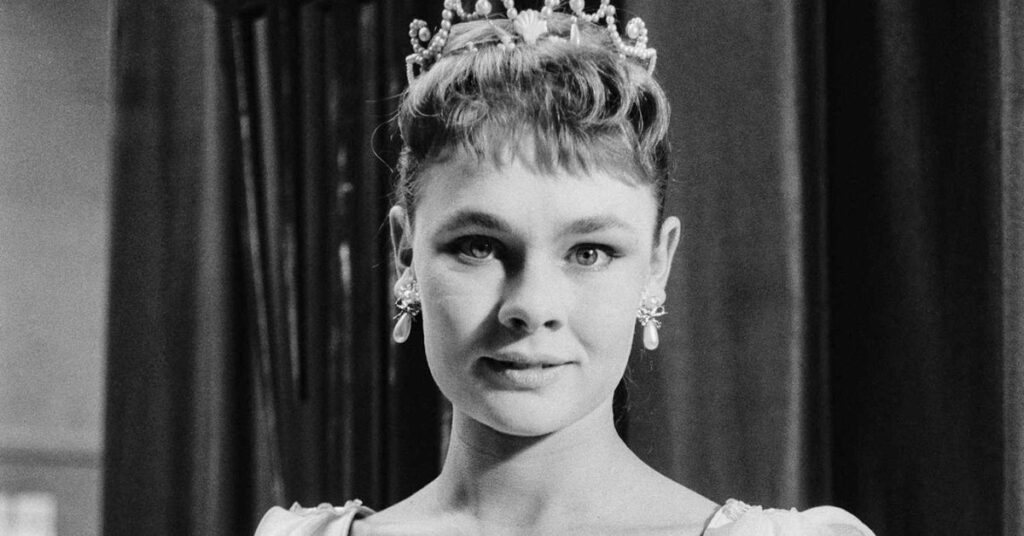
Influence & Uniqueness: Dench is revered for her regal gravitas and versatility. From Shakespearean tragedies to the role of M in the James Bond franchise, she brings dignity and strength to every part.
Cultural Context: Dench rose to prominence when British theater was still male-dominated. Her success pushed for stronger, multidimensional roles for women.
Enduring Legacy: Dench is a symbol of resilience, proving that artistry and influence do not diminish with age—they deepen.
9. Daniel Day-Lewis
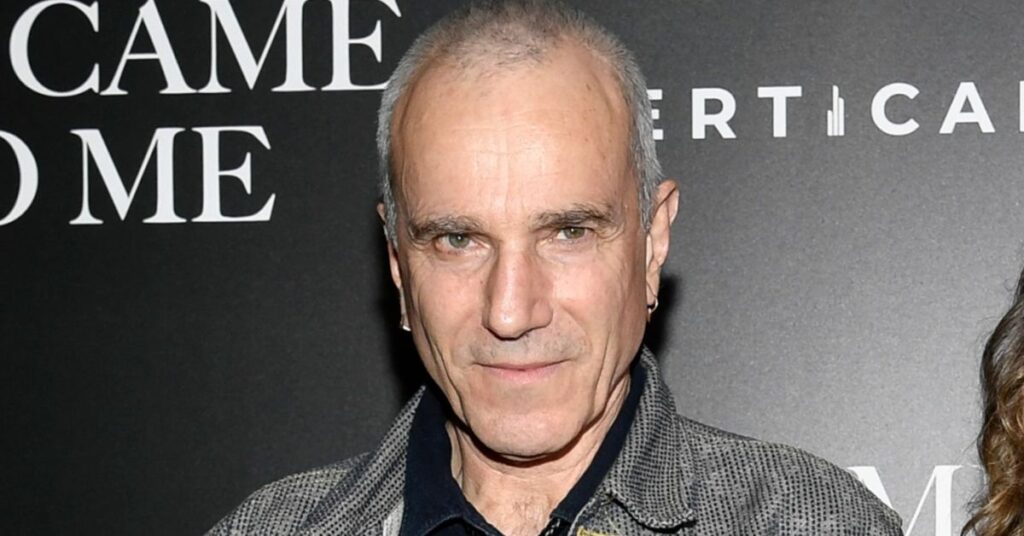
Influence & Uniqueness: Known for his extreme method acting, Day-Lewis completely immerses himself in roles, from My Left Foot to There Will Be Blood. Each performance feels like a once-in-a-lifetime event.
Cultural Context: At a time when cinema grew increasingly commercialized, Day-Lewis reminded audiences of the transformative, almost spiritual power of acting.
Enduring Legacy: His three Academy Awards make him the most celebrated actor of his generation. He remains a model for artistic dedication and discipline.
10. Benedict Cumberbatch
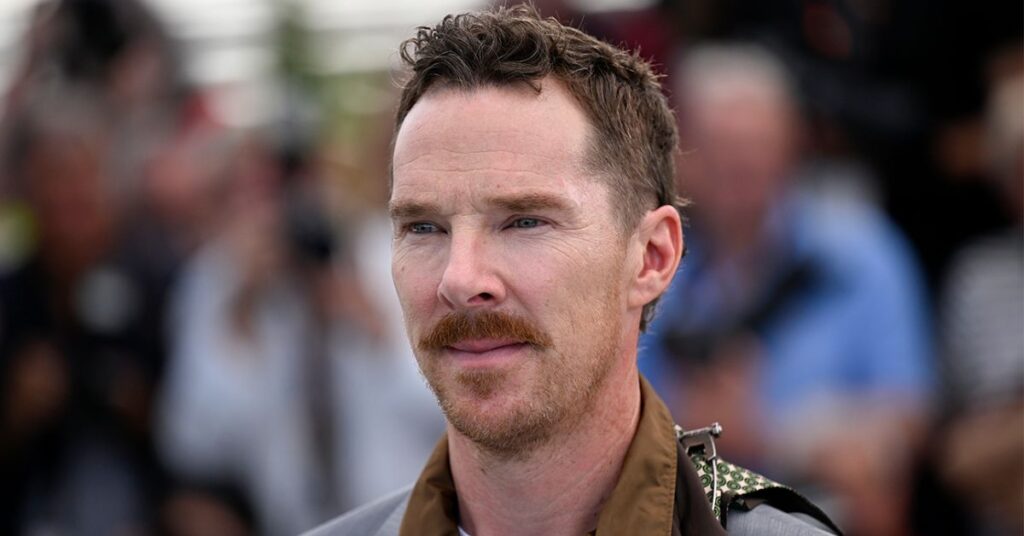
Influence & Uniqueness: With his razor-sharp intellect and distinctive voice, Cumberbatch brings complexity to every role, whether it’s Sherlock Holmes, Doctor Strange, or Alan Turing.
Cultural Context: Emerging in the digital era, Cumberbatch became a global phenomenon through Sherlock, reflecting audiences’ hunger for intelligent, modern storytelling.
Enduring Legacy: His blend of stage and blockbuster presence positions him as a bridge between tradition and the future of acting, inspiring new British talent to embrace both worlds.
Conclusion
From Olivier’s Shakespearean authority to Cumberbatch’s modern-day brilliance, these actors have not only entertained but shaped cultural consciousness across decades. They’ve broken barriers of class, gender, and tradition, reflecting Britain’s ever-evolving identity while leaving global audiences spellbound.
What unites them isn’t just fame but enduring influence. Each one, in their own way, has proven that acting is more than performance—it’s storytelling that defines eras, challenges perspectives, and inspires generations. And as British talent continues to rise, the standards set by these icons remain both a legacy and a challenge for the future.


