British literature has a rich legacy that spans centuries, shaping the global literary landscape with timeless works, innovative storytelling, and profound cultural influence. From medieval poetry to modern novels, British authors have consistently redefined the art of writing. This article explores some of the most famous British authors who changed literature forever, leaving an indelible mark on readers worldwide.
1. Geoffrey Chaucer (1343–1400)
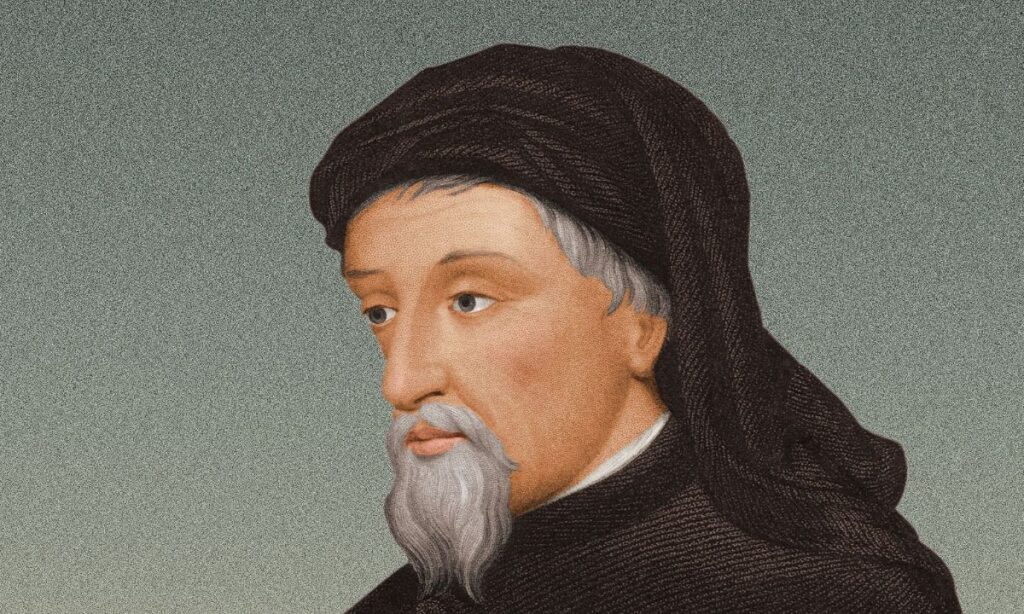
Known as the “Father of English Literature,” Geoffrey Chaucer is best remembered for The Canterbury Tales. His decision to write in Middle English, rather than Latin or French, helped establish English as a literary language. Through his vivid storytelling and exploration of human nature, Chaucer set the foundation for future writers.
2. William Shakespeare (1564–1616)
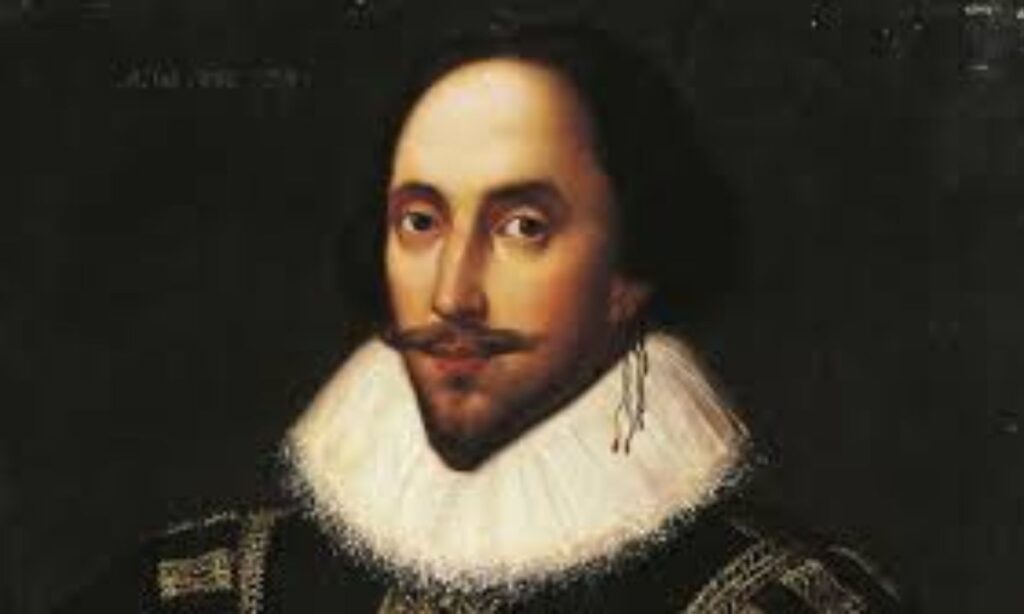
No discussion of British literature is complete without William Shakespeare. His plays and sonnets, including Hamlet, Macbeth, and Romeo and Juliet, revolutionized drama and poetry. Shakespeare’s exploration of universal themes—love, power, ambition, and tragedy—continues to resonate with audiences more than 400 years later. His inventive language and character development redefined storytelling and remain unmatched in influence.
3. Jane Austen (1775–1817)
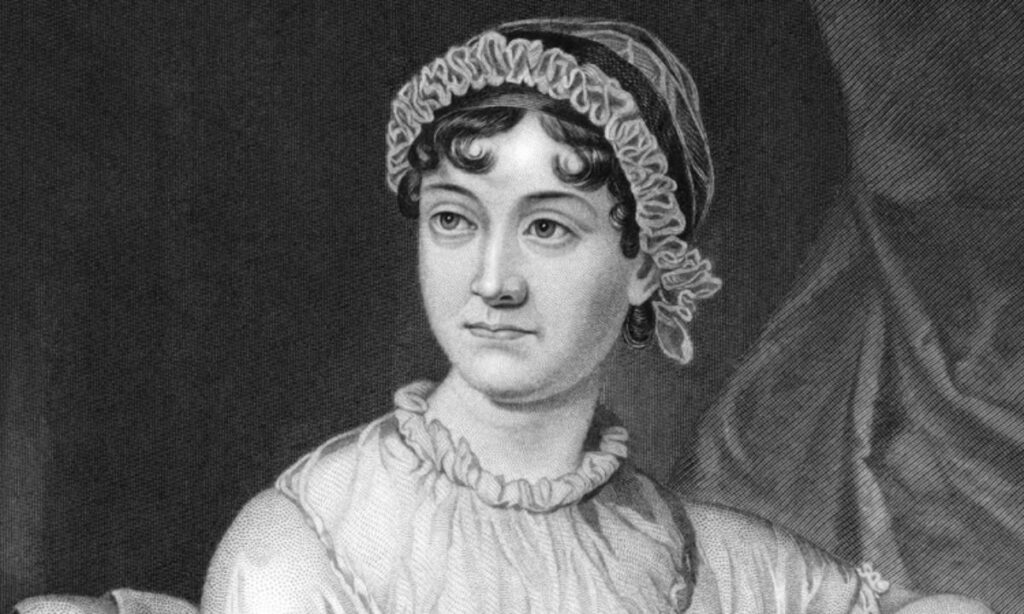
Jane Austen’s novels, such as Pride and Prejudice and Sense and Sensibility, introduced a new perspective on social commentary and romantic fiction. Her sharp wit and keen observations on class, gender, and marriage transformed the novel into a medium for both entertainment and cultural critique. Austen’s works continue to inspire modern adaptations and remain beloved worldwide.
4. Charles Dickens (1812–1870)
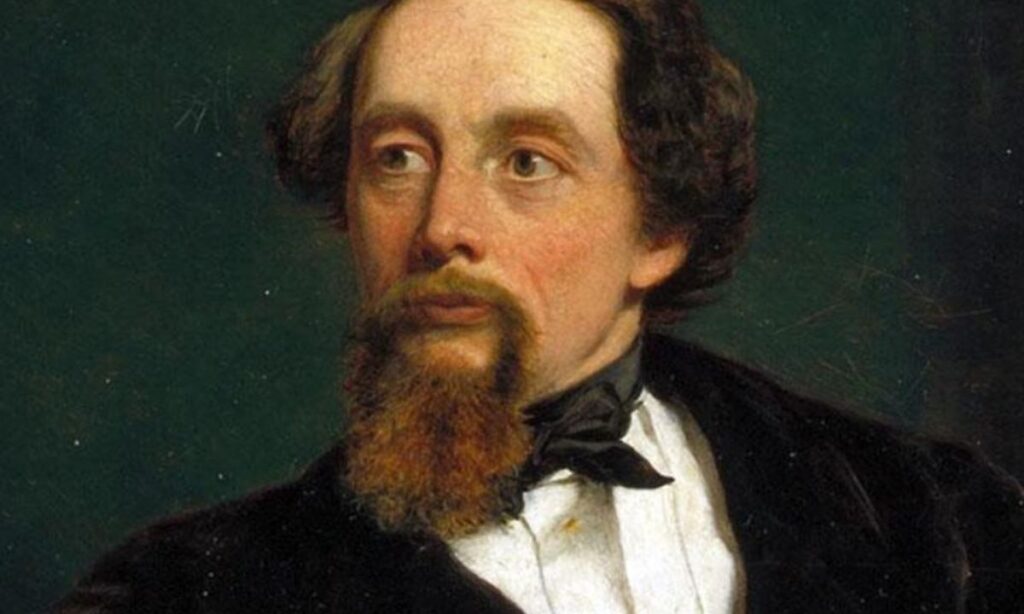
Charles Dickens is celebrated for his ability to capture the struggles of Victorian society. Works like Oliver Twist, Great Expectations, and A Tale of Two Cities highlight social inequality, poverty, and injustice. Dickens’ storytelling not only entertained but also raised awareness of social reform, cementing his place as one of the greatest British novelists.
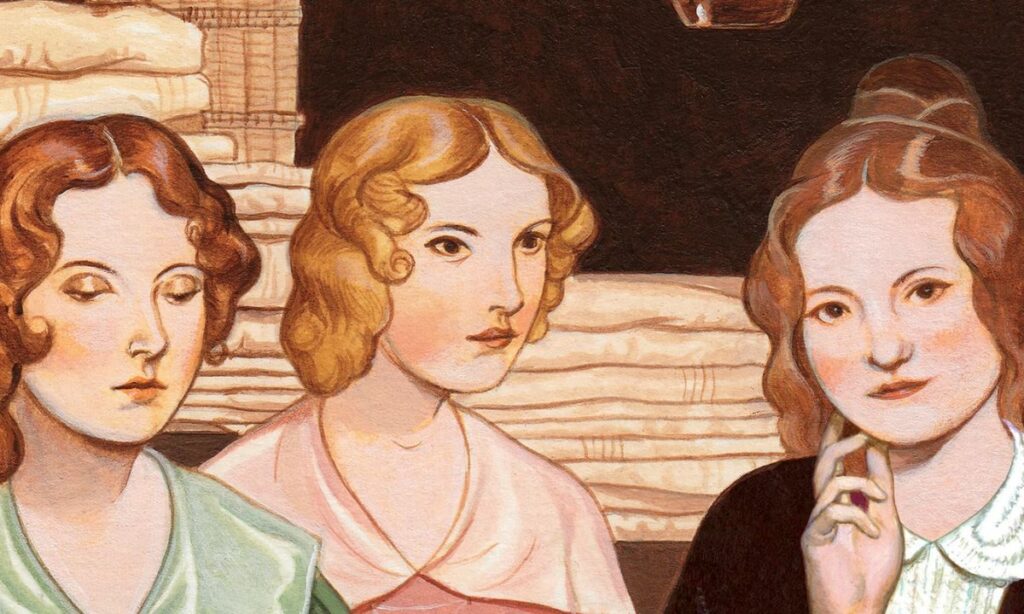
5. The Brontë Sisters
Charlotte, Emily, and Anne Brontë each made significant contributions to literature. Charlotte’s Jane Eyre challenged traditional notions of female independence, Emily’s Wuthering Heights explored dark passion and revenge, and Anne’s The Tenant of Wildfell Hall confronted issues of alcoholism and women’s rights. Collectively, their works gave a powerful voice to women in 19th-century literature.
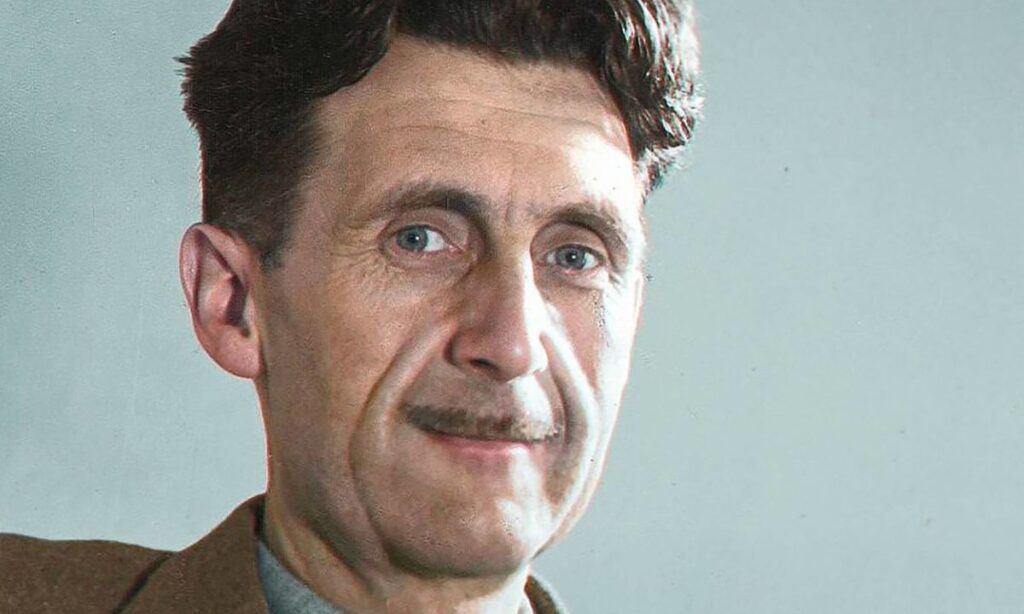
6. George Orwell (1903–1950)
George Orwell, author of 1984 and Animal Farm, is renowned for his political commentary and exploration of authoritarianism, freedom, and truth. His dystopian works remain highly relevant today, influencing discussions on politics, surveillance, and social justice. Orwell’s clear, direct prose style also set new standards for modern writing.
7. J.K. Rowling (1965–Present)
J.K. Rowling’s Harry Potter series transformed modern literature by captivating readers of all ages. Her imaginative world-building and storytelling reinvigorated interest in reading among younger generations. Beyond commercial success, Rowling’s influence lies in her ability to create a literary universe that shaped modern fantasy and inspired countless writers.

8. Virginia Woolf (1882–1941)
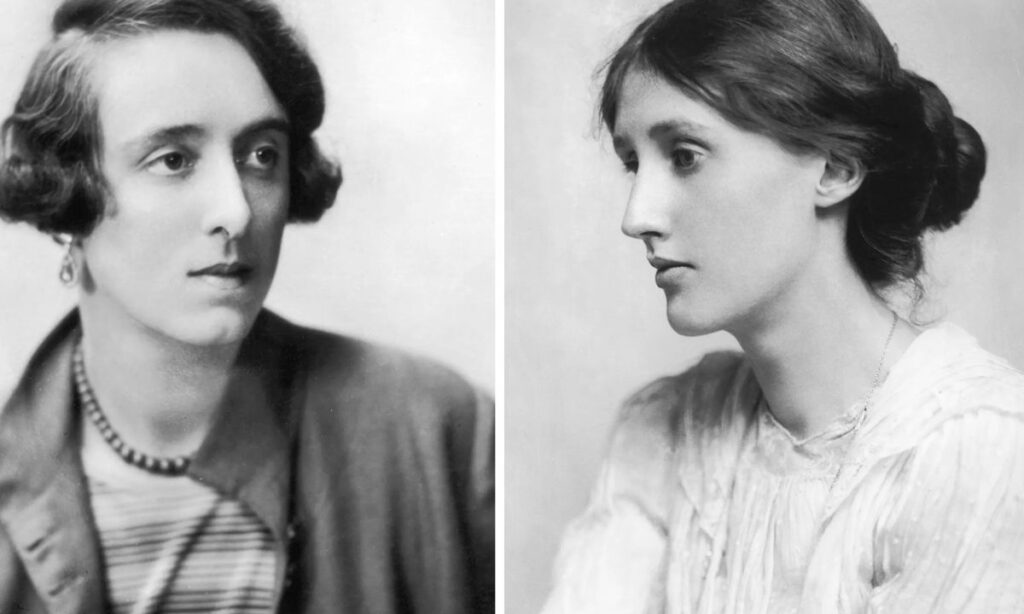
A pioneer of modernist literature, Virginia Woolf introduced stream-of-consciousness writing in works such as Mrs Dalloway and To the Lighthouse. Her exploration of identity, gender, and mental health redefined narrative technique and provided new ways to portray human consciousness. Woolf remains a central figure in feminist literary criticism.
Conclusion
From Chaucer’s groundbreaking use of English to Rowling’s imaginative fantasy world, British authors have consistently changed the course of literature. Their works not only entertained but also challenged societal norms, inspired reform, and opened doors for new literary styles. The legacy of these famous British authors continues to shape global literature, reminding us of the enduring power of storytelling.


