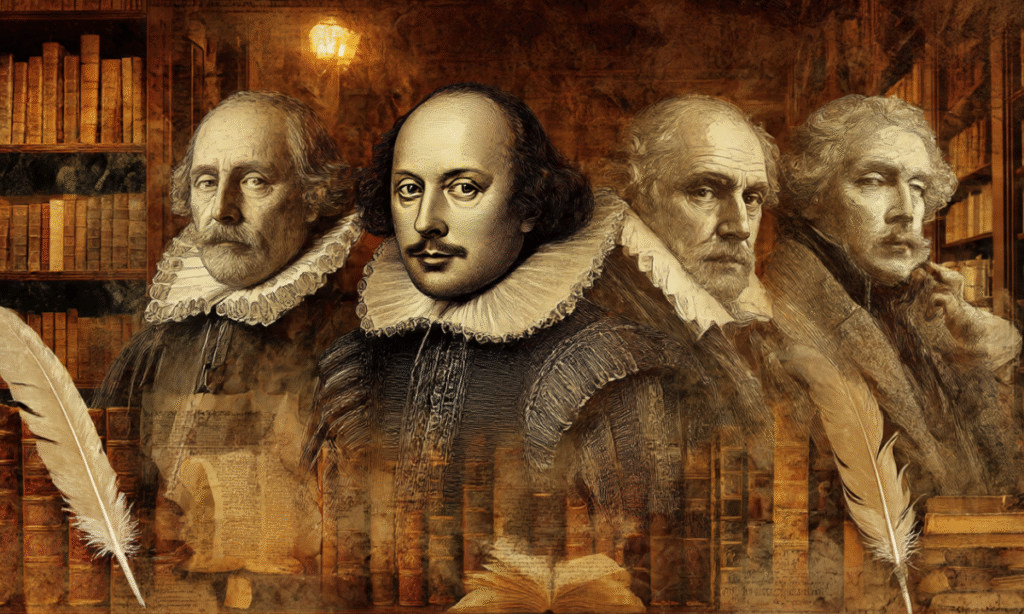
British poetry has played a transformative role in shaping global literature. From medieval verse to modernist experimentation, the United Kingdom has given the world some of the most influential poets whose works continue to inspire readers across generations. These poets not only captured the essence of their times but also addressed universal themes of love, loss, nature, and human existence. Below is a guide to legendary British poets that everyone should explore.
Geoffrey Chaucer (1343–1400)
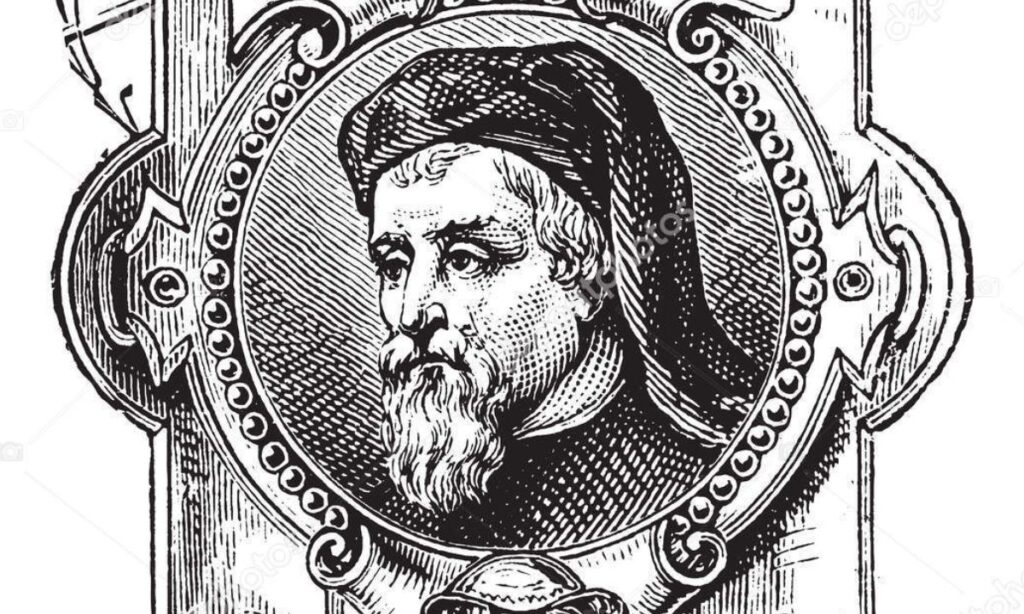
Often referred to as the “Father of English Literature,” Geoffrey Chaucer revolutionized poetry by writing in Middle English rather than Latin or French. His masterpiece, The Canterbury Tales, presents a vivid portrayal of medieval life through engaging narratives and sharp social commentary. Chaucer’s influence laid the foundation for English poetry as we know it today.
William Shakespeare (1564–1616)
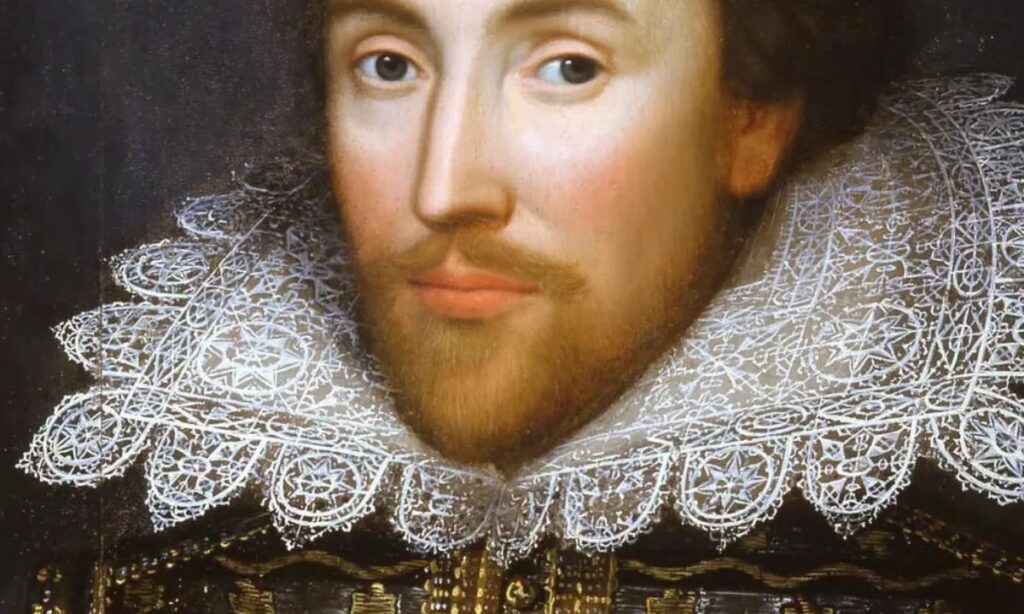
Though best known for his plays, Shakespeare’s sonnets remain some of the most celebrated verses in English literature. His mastery of language, emotional depth, and exploration of timeless themes like love, beauty, and mortality make his poetry essential reading. The Bard’s sonnets demonstrate the lyrical power that continues to resonate across centuries.
John Milton (1608–1674)
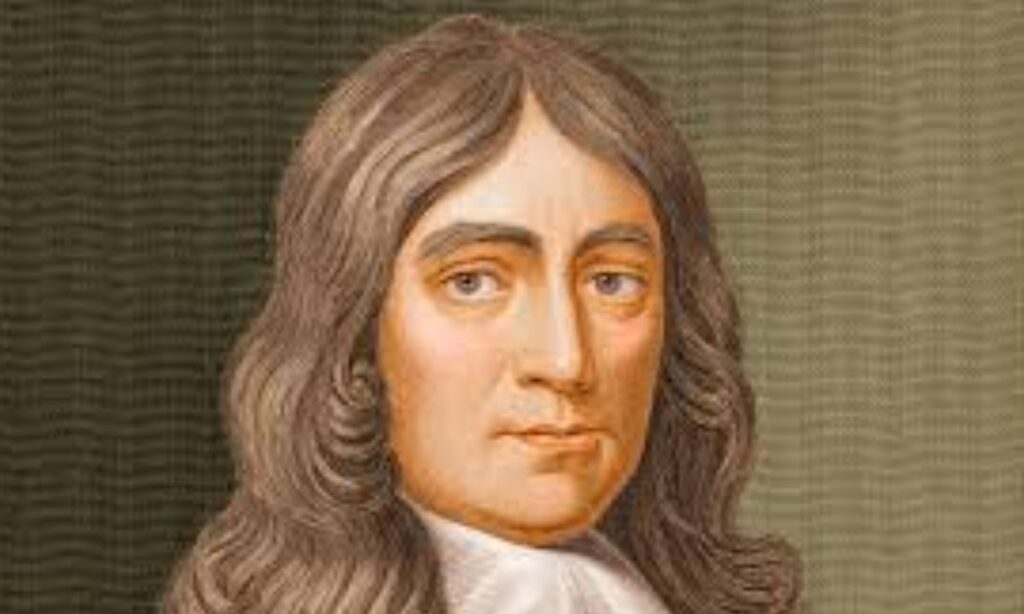
Milton’s Paradise Lost is a monumental epic poem that delves into profound questions of faith, free will, and human nature. Written in blank verse, the poem is considered one of the greatest works in English literature. Milton’s intellectual depth and imaginative storytelling make him a central figure in British poetry.
William Wordsworth (1770–1850)
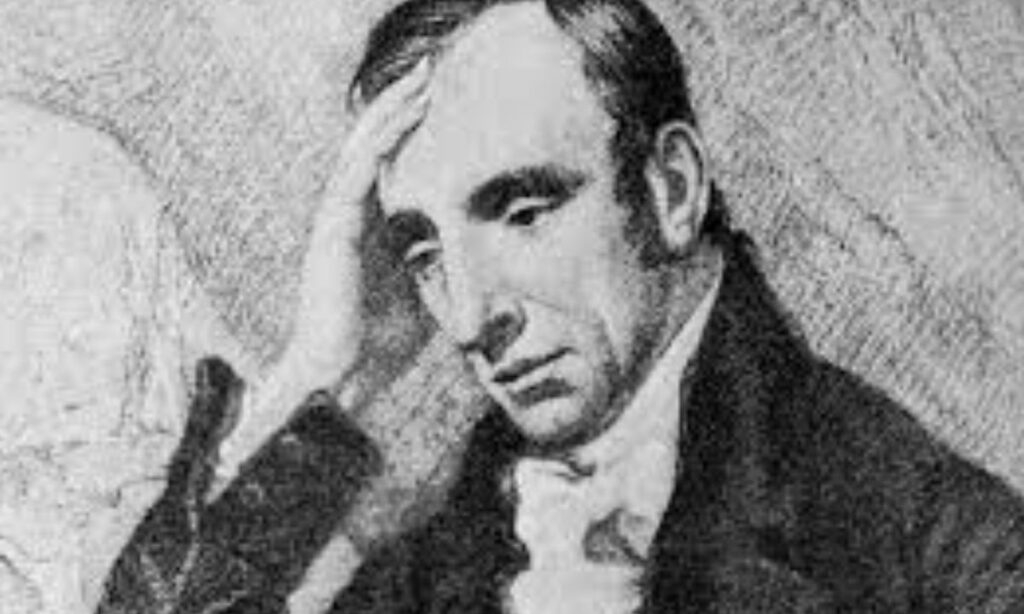
A pioneer of the Romantic movement, Wordsworth redefined poetry by celebrating nature, simplicity, and emotion. His famous collection, Lyrical Ballads, co-written with Samuel Taylor Coleridge, marked a turning point in English literature. Wordsworth’s work emphasizes the beauty of the natural world and the power of human imagination.
Samuel Taylor Coleridge (1772–1834)
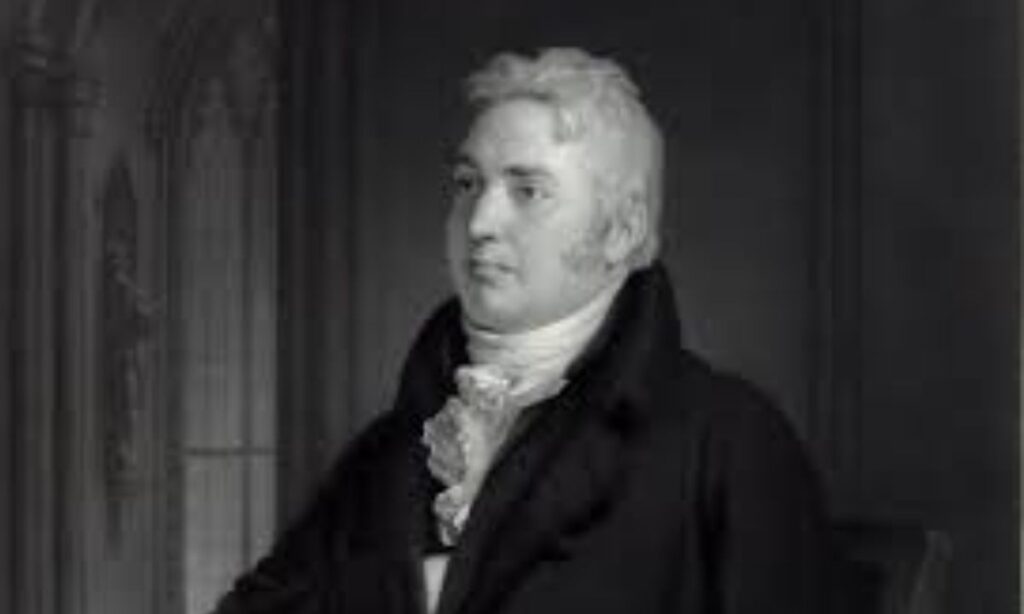
Coleridge’s The Rime of the Ancient Mariner remains one of the most haunting and imaginative poems in English literature. Known for his vivid imagery and philosophical depth, Coleridge explored themes of guilt, redemption, and the supernatural. His contributions to Romanticism alongside Wordsworth continue to shape poetic thought.
Lord Byron (1788–1824)
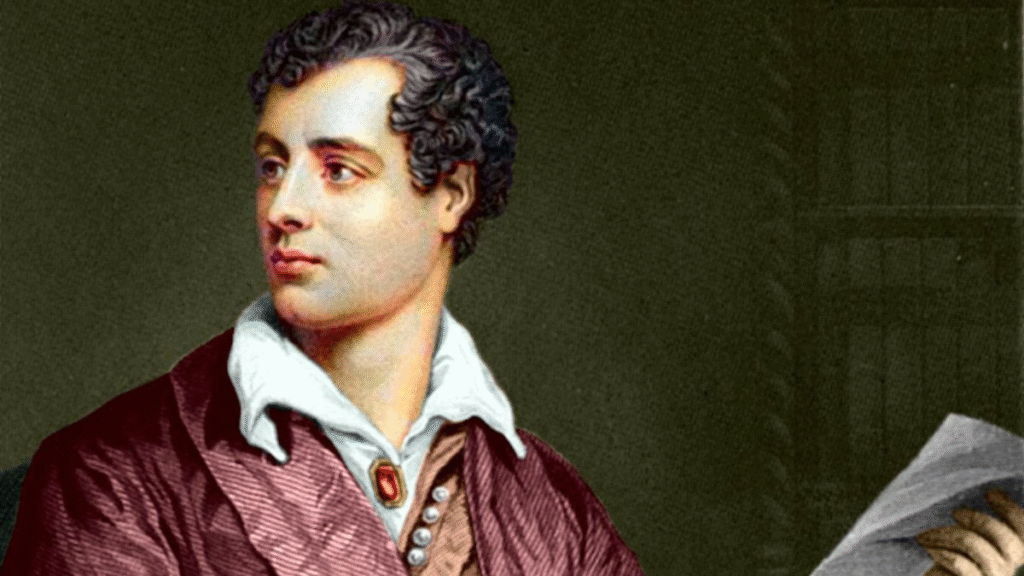
George Gordon Byron, widely known as Lord Byron, became a literary icon for his passionate and rebellious spirit. His narrative poem Childe Harold’s Pilgrimage and the satirical Don Juan cemented his status as one of the greatest Romantic poets. Byron’s charisma and defiance of social norms gave rise to the enduring concept of the “Byronic hero.”
Percy Bysshe Shelley (1792–1822)
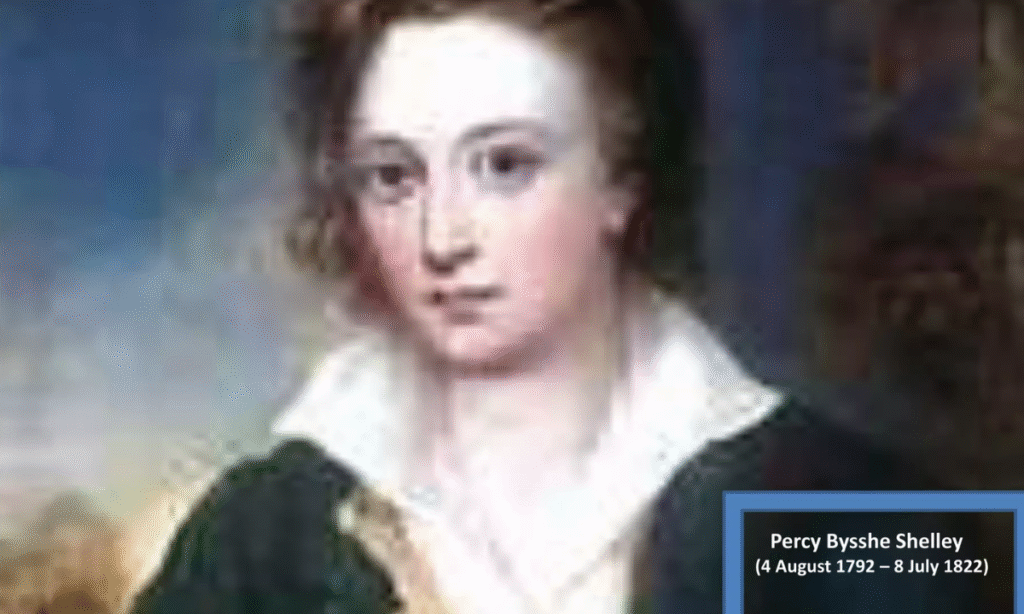
Shelley’s lyrical genius and revolutionary ideals made him a key figure of Romantic poetry. His works, including Ode to the West Wind and Prometheus Unbound, reflect themes of freedom, political change, and the transformative power of nature. Shelley’s poetry continues to inspire readers with its passionate vision and musicality.
John Keats (1795–1821)
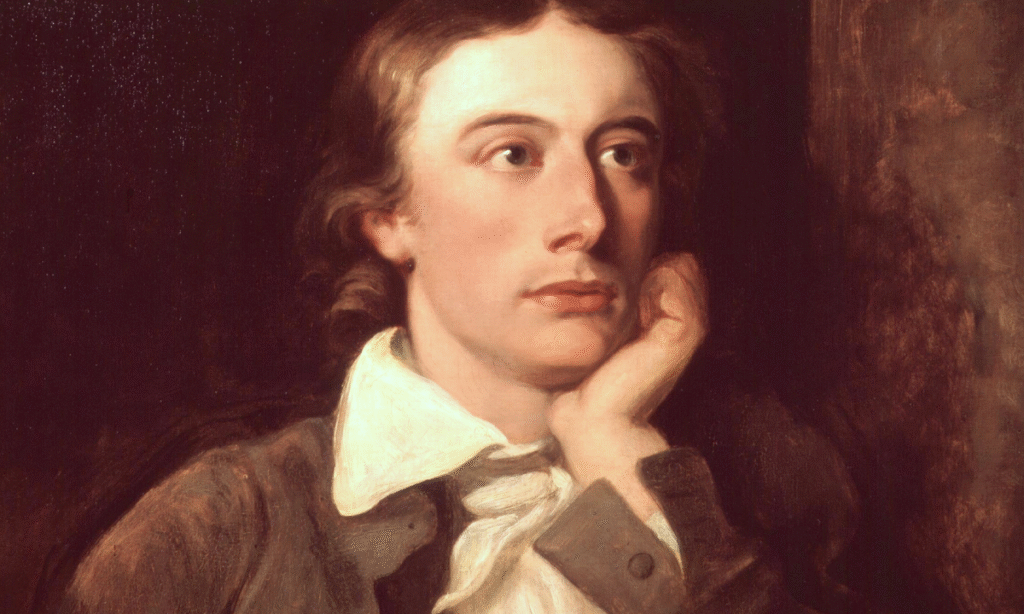
Despite his short life, Keats left an indelible mark on literature. His odes, such as Ode to a Nightingale and Ode on a Grecian Urn, exemplify his mastery of imagery, emotion, and philosophical reflection. Keats’s exploration of beauty and mortality has earned him a lasting place among the greatest poets.
T.S. Eliot (1888–1965)
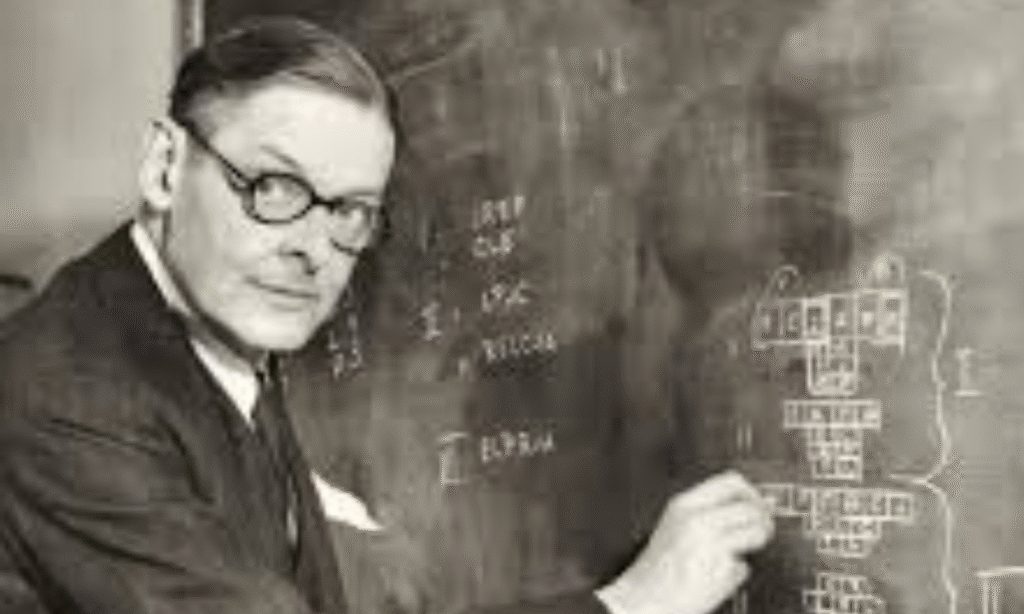
A leading voice of modernist poetry, Eliot transformed literary style and form with works like The Waste Land and Four Quartets. His exploration of disillusionment, spirituality, and cultural decay spoke to a generation grappling with the aftermath of World War I. Eliot’s innovative use of language and symbolism redefined modern poetry.
W.H. Auden (1907–1973)
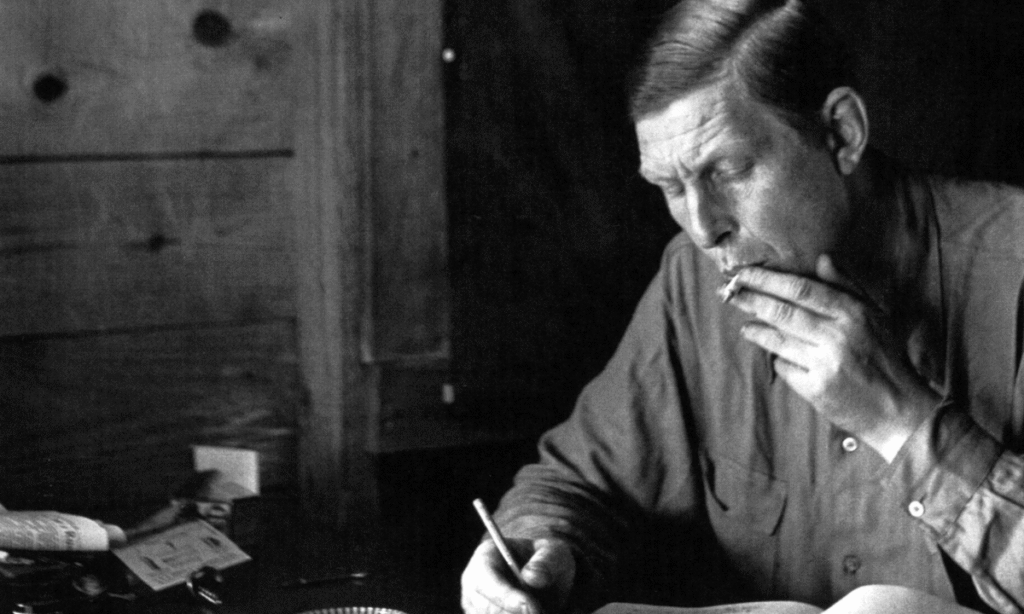
Auden’s poetry combined intellectual rigor with emotional depth. His wide-ranging themes included politics, love, faith, and human vulnerability. Poems like Funeral Blues and September 1, 1939 showcase his versatility and ability to capture the spirit of the 20th century. Auden remains one of the most important voices of modern British poetry.
Final Thoughts
The legacy of British poetry is rich, diverse, and timeless. From Chaucer’s medieval narratives to Eliot’s modernist innovations, these poets shaped not only English literature but also the broader landscape of world culture. Reading their works offers not just literary pleasure but also deeper insights into human history, emotion, and imagination. Whether you are a student of literature or simply a lover of words, exploring these legendary British poets is a journey worth taking.


