
The history of theatre in Britain is deeply enriched by the works of influential playwrights whose artistry has shaped not only the British stage but also global performance traditions. From the Elizabethan age to contemporary times, British playwrights have pushed boundaries, introduced new storytelling techniques, and left an enduring cultural legacy. Here are some of the most significant figures who influenced theatre across generations.
William Shakespeare: The Timeless Master
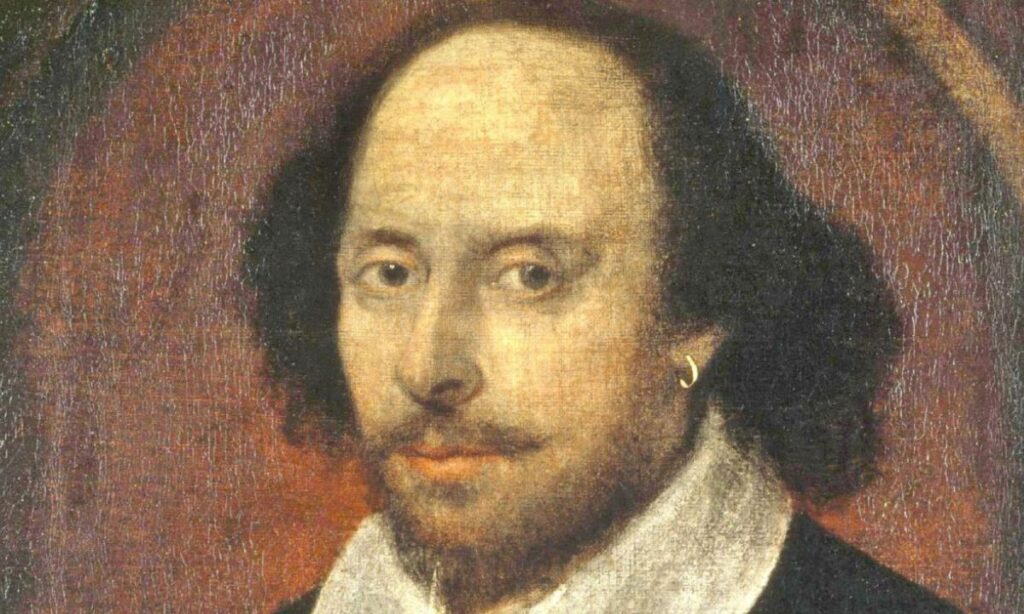
No discussion of British theatre is complete without William Shakespeare. Often hailed as the greatest playwright of all time, Shakespeare’s works—such as Hamlet, Macbeth, Othello, and Romeo and Juliet—remain cornerstones of theatre worldwide. His ability to capture human emotions, political intrigue, and universal themes continues to resonate with audiences. Shakespeare’s influence extends beyond the stage, shaping literature, language, and even modern storytelling in film and television.
Christopher Marlowe: The Tragic Innovator
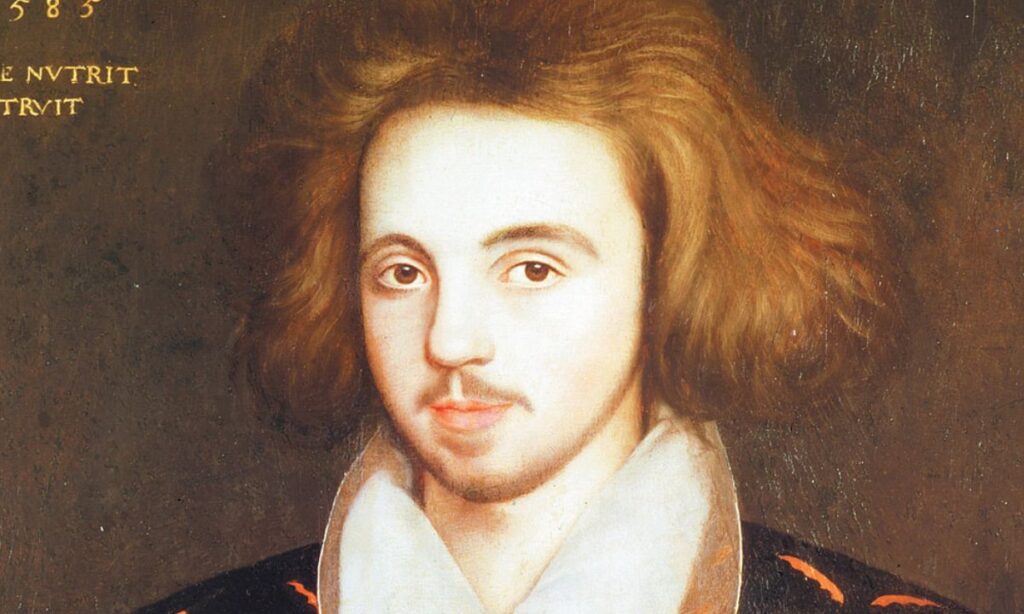
Christopher Marlowe, a contemporary of Shakespeare, was pivotal in shaping Elizabethan drama. His mastery of blank verse and exploration of ambition, power, and morality in plays like Doctor Faustus and Tamburlaine set new standards for theatrical expression. Marlowe’s bold themes and stylistic innovations paved the way for more complex dramatic narratives, influencing not just Shakespeare but countless future dramatists.
George Bernard Shaw: The Social
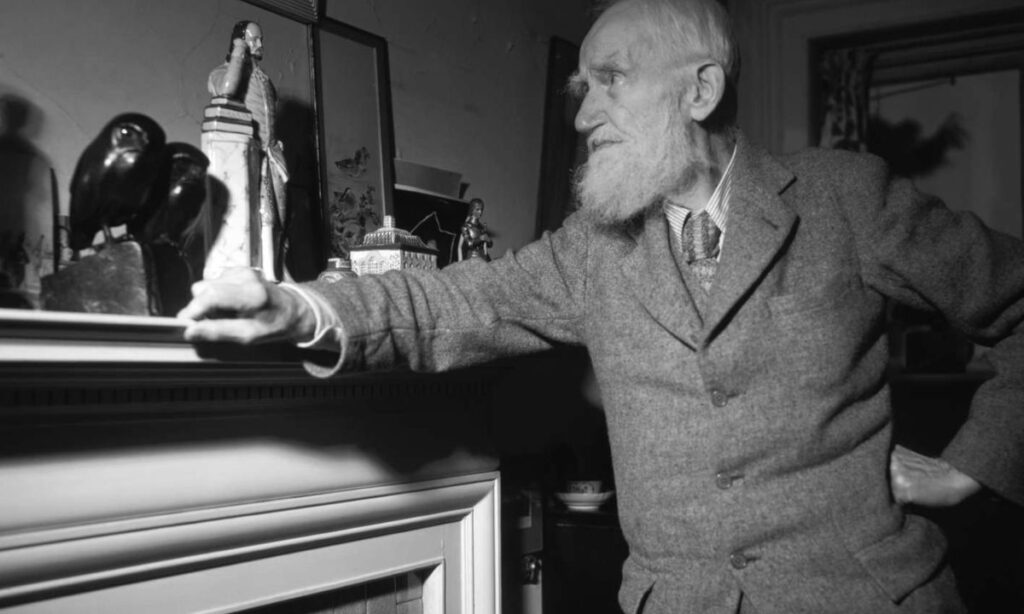
Commentator
In the late 19th and early 20th centuries, George Bernard Shaw redefined theatre with his witty, socially charged plays. Works like Pygmalion and Man and Superman addressed issues such as class, gender, and morality, using humor and intellect to provoke thought. Shaw’s approach positioned theatre as a platform for social critique, inspiring a generation of playwrights to blend entertainment with reformist ideas.
Oscar Wilde: The Master of Satire
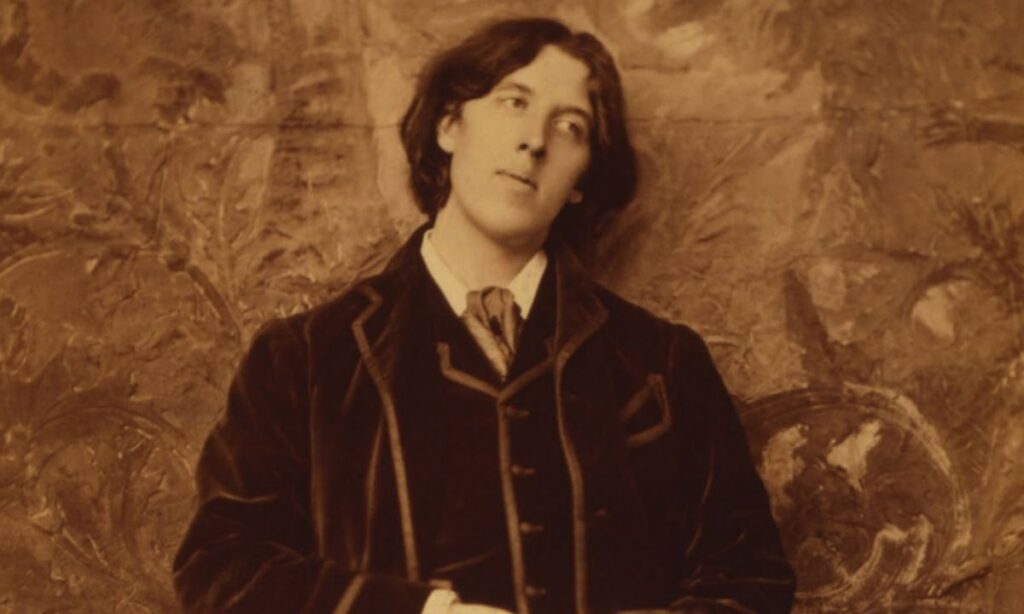
Oscar Wilde brought elegance, wit, and satire to the Victorian stage. His plays, including The Importance of Being Earnest and An Ideal Husband, offered sharp critiques of societal hypocrisy while delighting audiences with clever dialogue and humor. Wilde’s unique style influenced modern comedy of manners and established him as one of the most quotable figures in theatre history.
Harold Pinter: The Poet of Silence
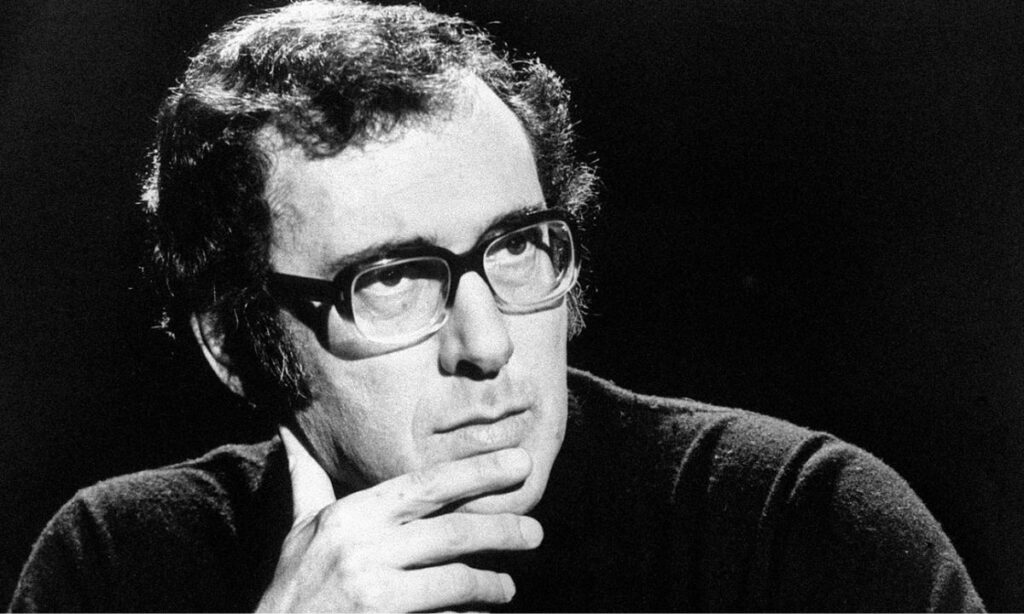
Moving into the 20th century, Harold Pinter revolutionized modern theatre with his minimalist dialogue and powerful use of pauses—often referred to as the “Pinteresque” style. Plays like The Birthday Party and The Homecoming emphasized ambiguity, tension, and subtext, challenging audiences to read between the lines. Pinter’s innovative approach reshaped dramatic writing and continues to inspire playwrights worldwide.
Tom Stoppard: The Intellectual Innovator
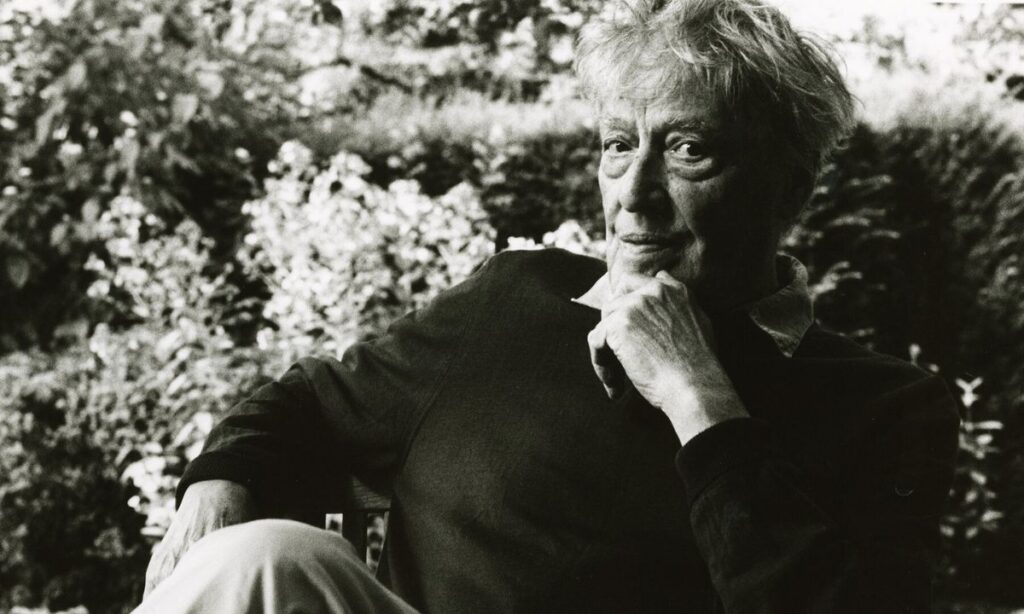
Tom Stoppard’s works stand out for their intellectual depth and inventive structure. Plays such as Rosencrantz and Guildenstern Are Dead and Arcadia combine philosophy, history, and humor, blurring the lines between art and science. Stoppard’s influence lies in his ability to balance intellectual rigor with engaging storytelling, making complex ideas accessible to audiences.
Caryl Churchill: The Voice of Experimentation
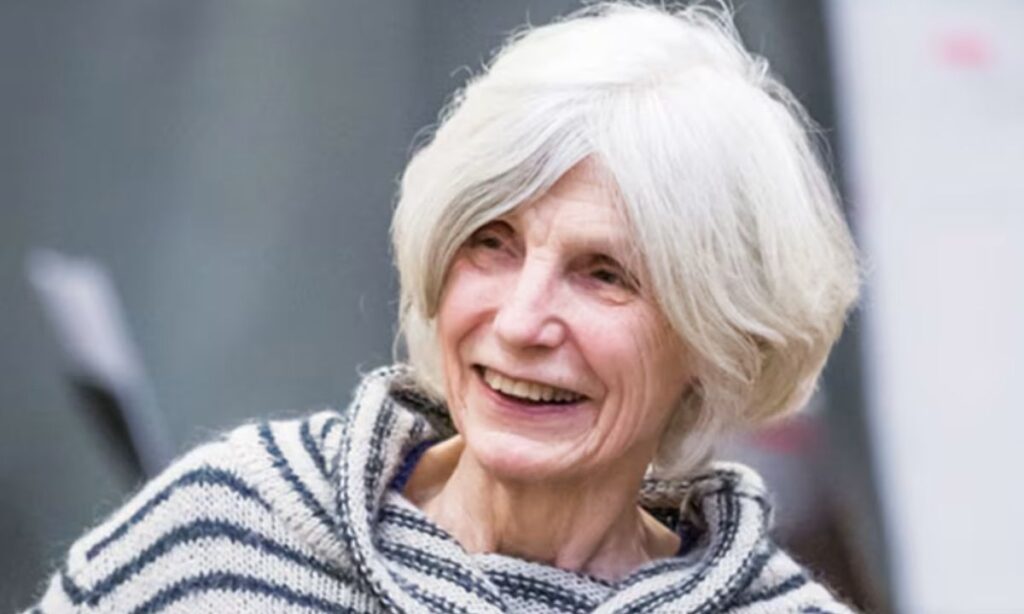
Caryl Churchill is one of the most influential contemporary British playwrights, celebrated for her experimental forms and feminist themes. Her plays, including Top Girls and Cloud Nine, challenge traditional narratives and explore gender, identity, and power dynamics. Churchill’s bold innovations in structure and style continue to inspire new generations of theatre makers.
Conclusion
British playwrights have profoundly shaped the evolution of theatre, from Shakespeare’s timeless tragedies to Churchill’s groundbreaking experiments. Their works not only reflect the cultural and social issues of their times but also continue to influence modern storytelling across stage, film, and literature. Theatre today owes much of its richness and diversity to these iconic figures who redefined how stories could be told and experienced.


