
Introduction
Britain has produced some of the most influential figures in the history of classical music. From the grandeur of Edward Elgar’s orchestral works to the modern spiritual depth of John Tavener, British musicians have shaped centuries of musical evolution. Their artistry, creativity, and innovation continue to inspire audiences around the world. In this article, we’ll explore famous British classical musicians you should know — artists whose contributions have defined generations of classical sound.
1. Edward Elgar (1857–1934)
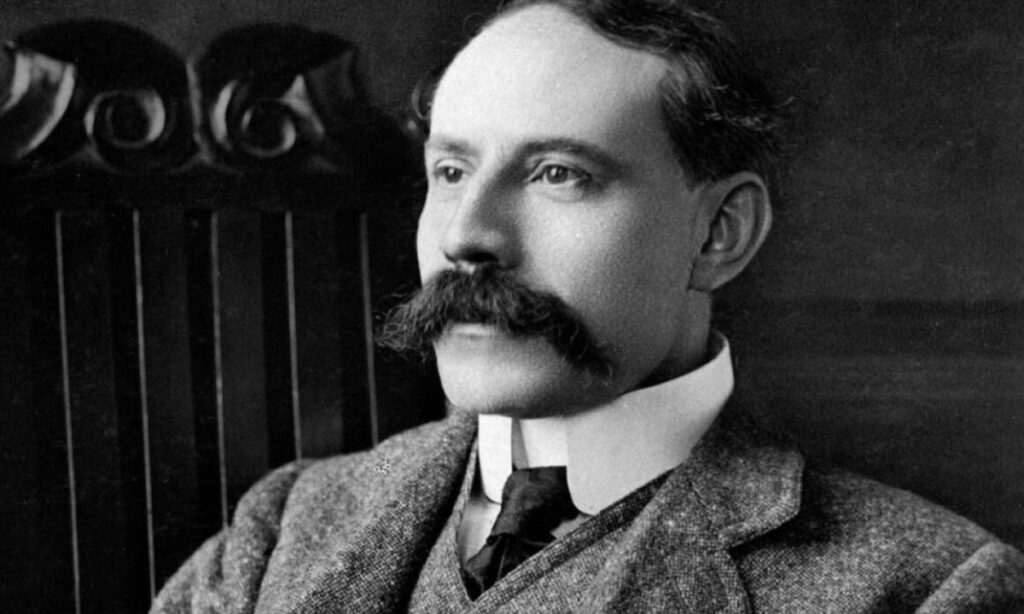
Sir Edward Elgar remains one of the most revered British composers. His music captures the pride and elegance of early 20th-century Britain. Known for masterpieces such as Enigma Variations and Pomp and Circumstance Marches, Elgar’s compositions combine emotional depth with sweeping grandeur. His works are often performed during national ceremonies and have become symbols of British cultural heritage.
2. Benjamin Britten (1913–1976)
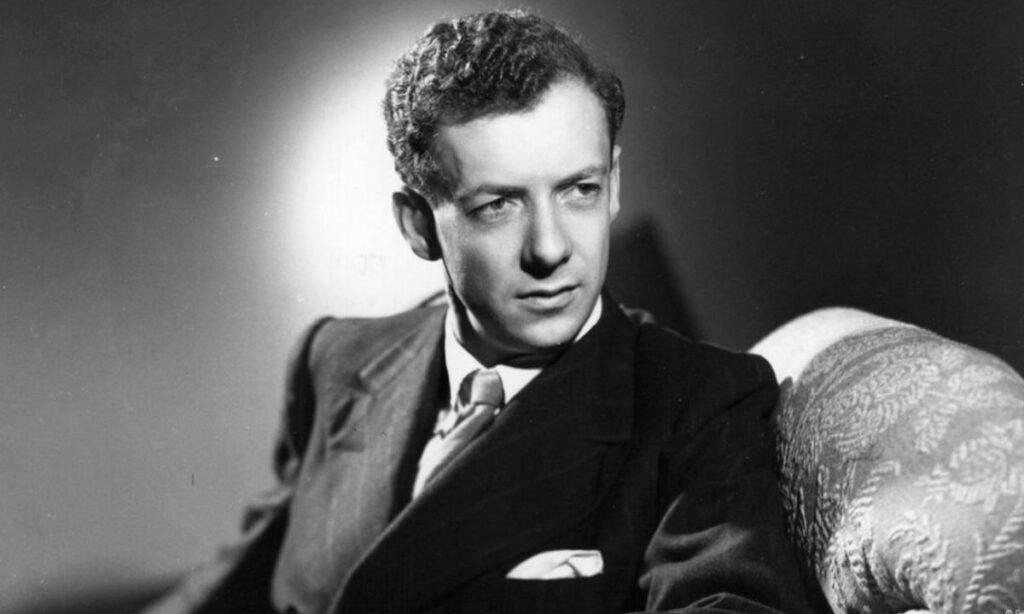
Benjamin Britten transformed modern British classical music through his emotionally rich and socially aware compositions. As a composer, pianist, and conductor, he broke traditional boundaries with operas like Peter Grimes, Billy Budd, and The Turn of the Screw. His orchestral piece, The Young Person’s Guide to the Orchestra, remains a staple for introducing young audiences to symphonic music. Britten’s lasting legacy also includes founding the Aldeburgh Festival, a hub for contemporary musical creativity.
3. Henry Purcell (1659–1695)
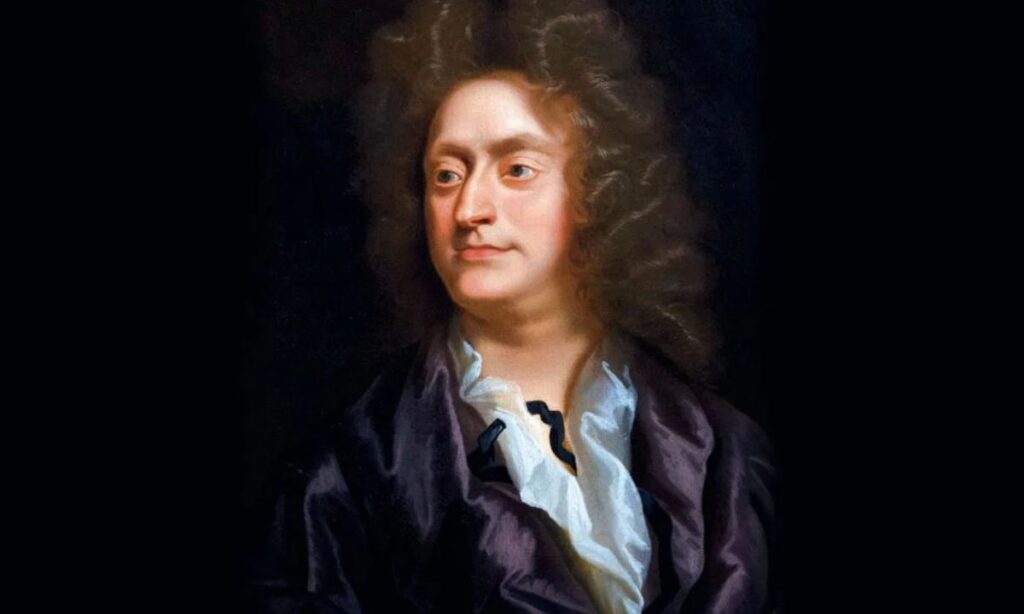
Often regarded as the greatest English composer of the Baroque era, Henry Purcell’s music continues to resonate more than 300 years after his death. His operas, such as Dido and Aeneas, and sacred works, including Funeral Music for Queen Mary, display his genius for blending drama with intricate harmonies. Purcell’s influence extends far beyond his time, inspiring both classical and modern musicians across the globe.
4. Ralph Vaughan Williams (1872–1958)
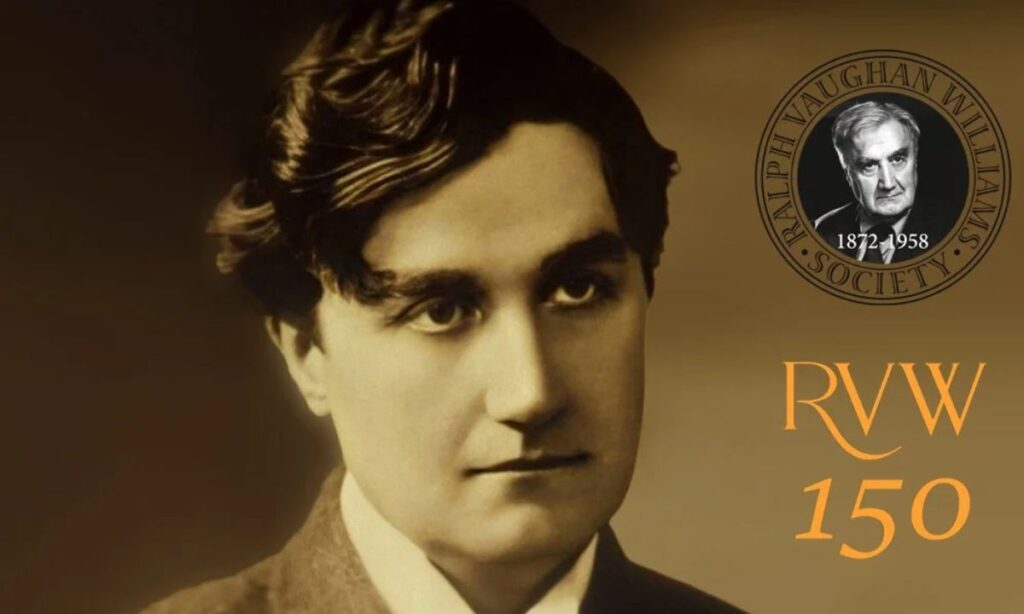
Ralph Vaughan Williams drew inspiration from English folk traditions, infusing his compositions with a sense of nature, nostalgia, and spirituality. His Fantasia on a Theme by Thomas Tallis and The Lark Ascending are timeless works celebrated for their lyrical beauty and emotional resonance. Vaughan Williams’s ability to reflect the English landscape through sound made him one of Britain’s most beloved composers.
5. Gustav Holst (1874–1934)
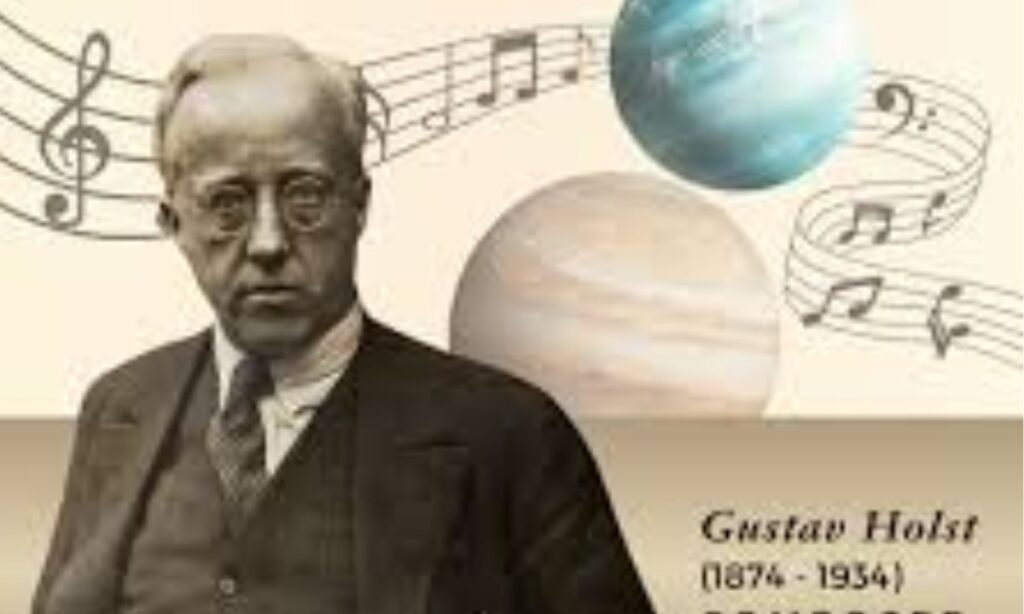
Best known for The Planets, Gustav Holst brought innovation and cosmic imagination to classical music. Each movement of The Planets portrays the astrological character of a planet, making it one of the most creative and influential orchestral suites of the 20th century. Holst also incorporated English folk tunes and Eastern influences into his music, giving his compositions a unique and diverse character.
6. Jacqueline du Pré (1945–1987)
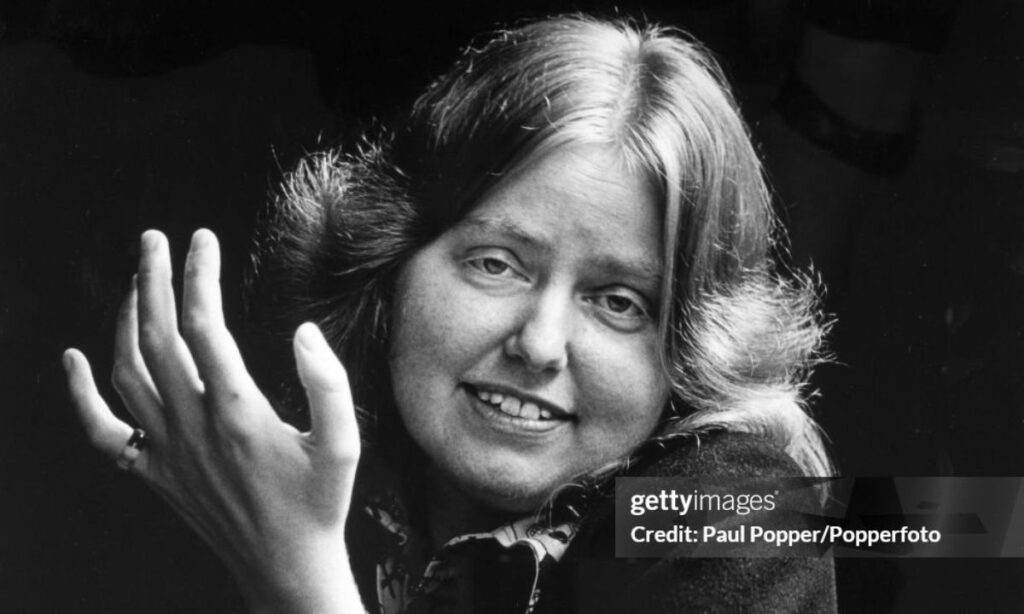
Jacqueline du Pré was a musical prodigy and one of the most passionate cellists of all time. Her performance of Elgar’s Cello Concerto in E Minor is considered the definitive interpretation of the piece. Despite her career being tragically cut short by illness, du Pré’s recordings continue to inspire musicians and audiences worldwide. Her emotional depth and technical brilliance remain unmatched in the classical world.
7. John Tavener (1944–2013)
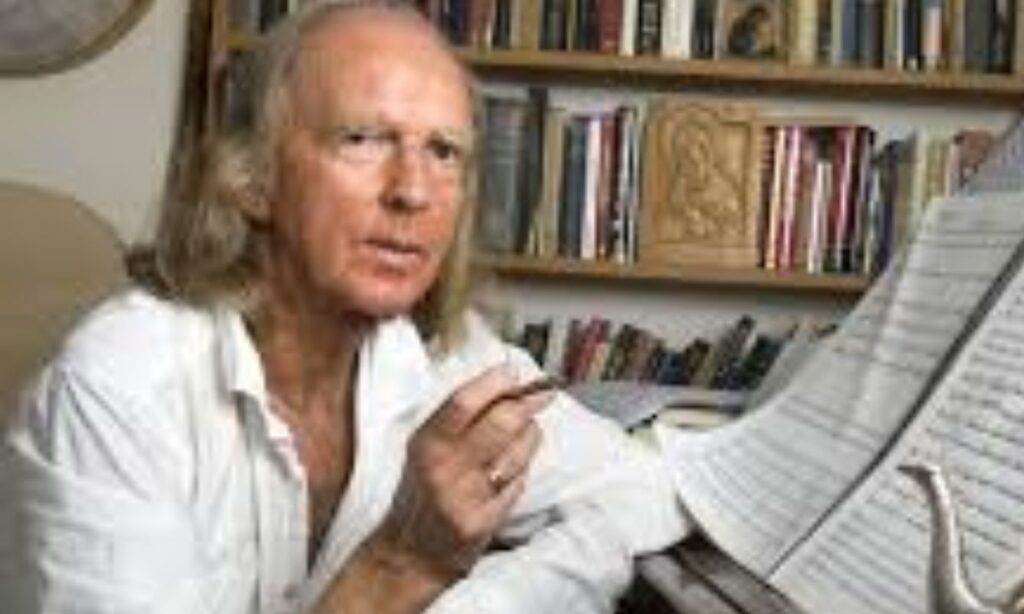
Sir John Tavener’s music is deeply spiritual, often inspired by his Orthodox Christian faith. His minimalist compositions, such as The Protecting Veil and Song for Athene, are serene, meditative, and profoundly moving. Song for Athene gained international recognition when it was performed at Princess Diana’s funeral, introducing Tavener’s ethereal sound to millions around the world.
8. Simon Rattle (b. 1955)
Sir Simon Rattle is one of the most respected conductors of the modern era. As the former principal conductor of the Berlin Philharmonic and current music director of the London Symphony Orchestra, Rattle is celebrated for his dynamic leadership and dedication to innovation. He has championed both classical and contemporary composers, helping make orchestral music accessible to new audiences globally.
Conclusion
From the Baroque brilliance of Henry Purcell to the modern-day artistry of Nicola Benedetti, British classical musicians have shaped the course of musical history. Their compositions and performances embody emotion, innovation, and national pride. Exploring their music is not just a journey through Britain’s artistic past, but also a celebration of its continuing influence on global classical culture. Whether you’re an avid listener or a newcomer to the genre, these musicians offer a timeless connection to the beauty of sound.


